
Starting gymnastics is exciting—for both kids and parents! But if you’re new to the sport, it’s easy to wonder what your child actually needs for their first class.
The good news? You don’t need to buy everything at once.
As a gymnastics coach, Coach Mady recommends starting with a few essentials and adding more equipment as your gymnast gains experience. Here’s everything you’ll need to get started.
1. A Comfortable Gymnastics Leotard
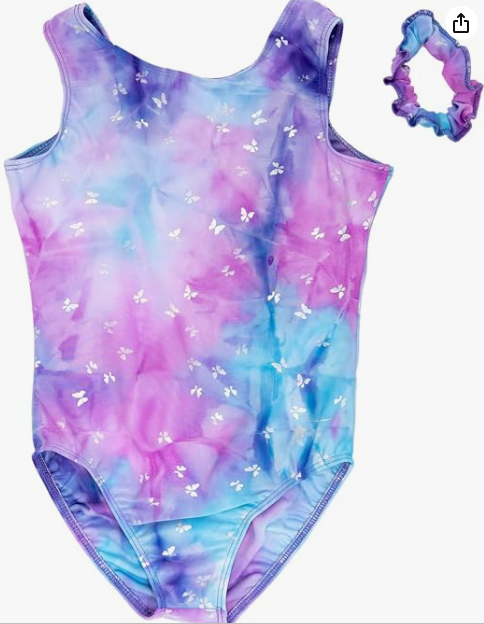
A well-fitting leotard is the most important piece of gymnastics clothing.
Look for a leotard that is:
- Comfortable
- Stretchy
- Fits snugly without being too tight
- Allows full movement
Many beginners love fun colors and sparkles, but comfort should always come first.
Coach Mady’s Tip: Save the heavily jeweled leotards for special occasions. For regular practice, a comfortable, durable leo is usually the best choice.
2. Athletic Shorts (Optional)
Some gymnasts like wearing fitted athletic shorts over their leotard during warm-ups or conditioning.
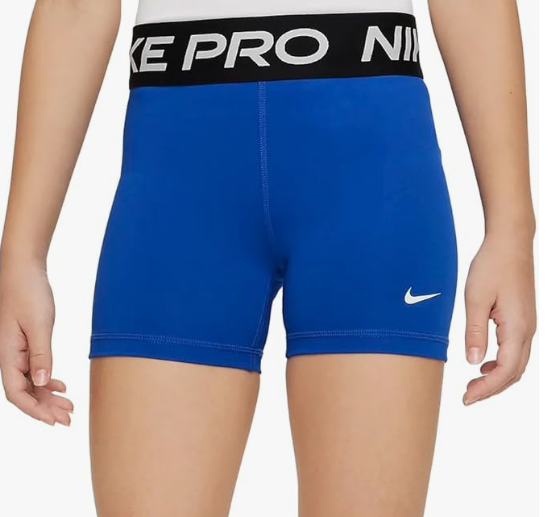
Choose shorts that:
- Stay in place
- Stretch easily
- Don’t interfere with movement
3. A Water Bottle
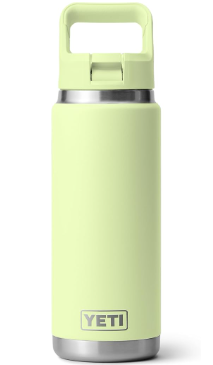
Gymnastics practices can last one to three hours.
A sturdy, reusable water bottle helps young athletes stay hydrated throughout practice.
4. A Gymnastics Bag
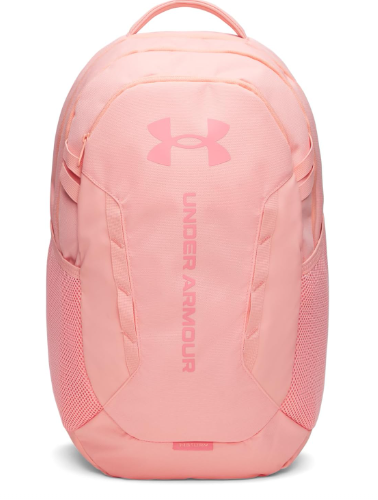
A dedicated gymnastics bag keeps everything organized.
Many gymnasts carry:
- Water bottle
- Hair ties
- Grip bag
- Tape
- Snacks
- Extra leotard
- Small first aid items
As your child progresses, having everything in one place becomes even more important.
5. Hair Accessories
Long hair should always be secured away from the face.
Good choices include:
- Ponytail holders
- Scrunchies
- Hair elastics
- Headbands (if allowed by your gym)
6. Grip Bag (For Advanced Beginners)
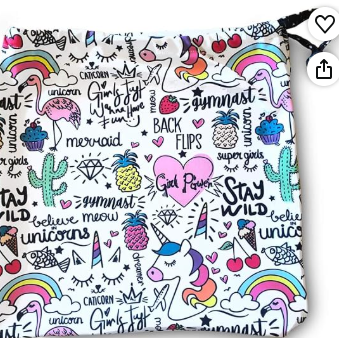
Most young beginners won’t need grips right away.
Once your gymnast starts spending more time on bars, your coach may recommend grips, wristbands, and a grip bag to keep chalk contained.
Don’t rush this purchase—your coach will let you know when it’s time.
7. Home Practice Equipment (Optional)
Many parents ask whether they should buy equipment for home.
The answer depends on your child’s age and commitment.
Popular beginner equipment includes:
- Folding balance beam
- Panel mat
- Air mat
- Cartwheel mat

Always practice skills that your coach has approved and supervise young children.
8. Healthy Snacks
A small snack before or after practice can help keep energy levels up.
Some favorite options include:
- Bananas
- Apples
- Cheese sticks
- Yogurt
- Granola bars
- Trail mix
What Beginners DON’T Need
Parents are often surprised by how little equipment a new gymnast actually needs.
You can usually skip:
- Expensive grips
- Chalk
- Competition leotards
- Home bars
- Parallette bars
- Training straps
Your coach will let you know when your gymnast is ready for more specialized equipment.
Beginner Gymnastics Essentials Checklist
✔ Comfortable leotard
✔ Water bottle
✔ Hair ties
✔ Gym bag
✔ Athletic shorts (optional)
✔ Healthy snack
✔ Positive attitude!
Frequently Asked Questions
Do beginner gymnasts need grips?
Usually not. Most recreational gymnasts won’t need grips until they begin spending more time on bars.
Do gymnasts wear socks?
Most gymnastics classes are done barefoot unless your gym has different rules.
Does my child need expensive equipment?
No. A leotard, water bottle, and a willingness to learn are enough for most beginners.
The Bottom Line
Starting gymnastics should be fun—not overwhelming.
Focus on buying the basics first, and let your child’s coach guide you as they progress. As your gymnast develops new skills, you can gradually add equipment that supports safe practice and continued growth.
At TumbleChic, our goal is to help parents make informed choices with honest, coach-approved recommendations that keep young gymnasts comfortable, confident, and ready to succeed.
:::